
Apple’s September 9, 2026 event confirmed that the iPhone 18 Pro and iPhone 18 Pro Max ship without a physical SIM tray in 12 markets, and the headline most travel sites are running with is wrong in one important way: the list of eSIM-only countries did not grow this year. It is identical to the iPhone 17 Pro list. The actual new development is a different phone entirely.
This guide separates what changed from what didn’t, tells you which of our most-traveled destinations are on the eSIM-only list, and walks through what to check before you set up a travel eSIM on a new iPhone 18 Pro. Plan details change, so treat the live listing on each product page as the source of truth before you buy.
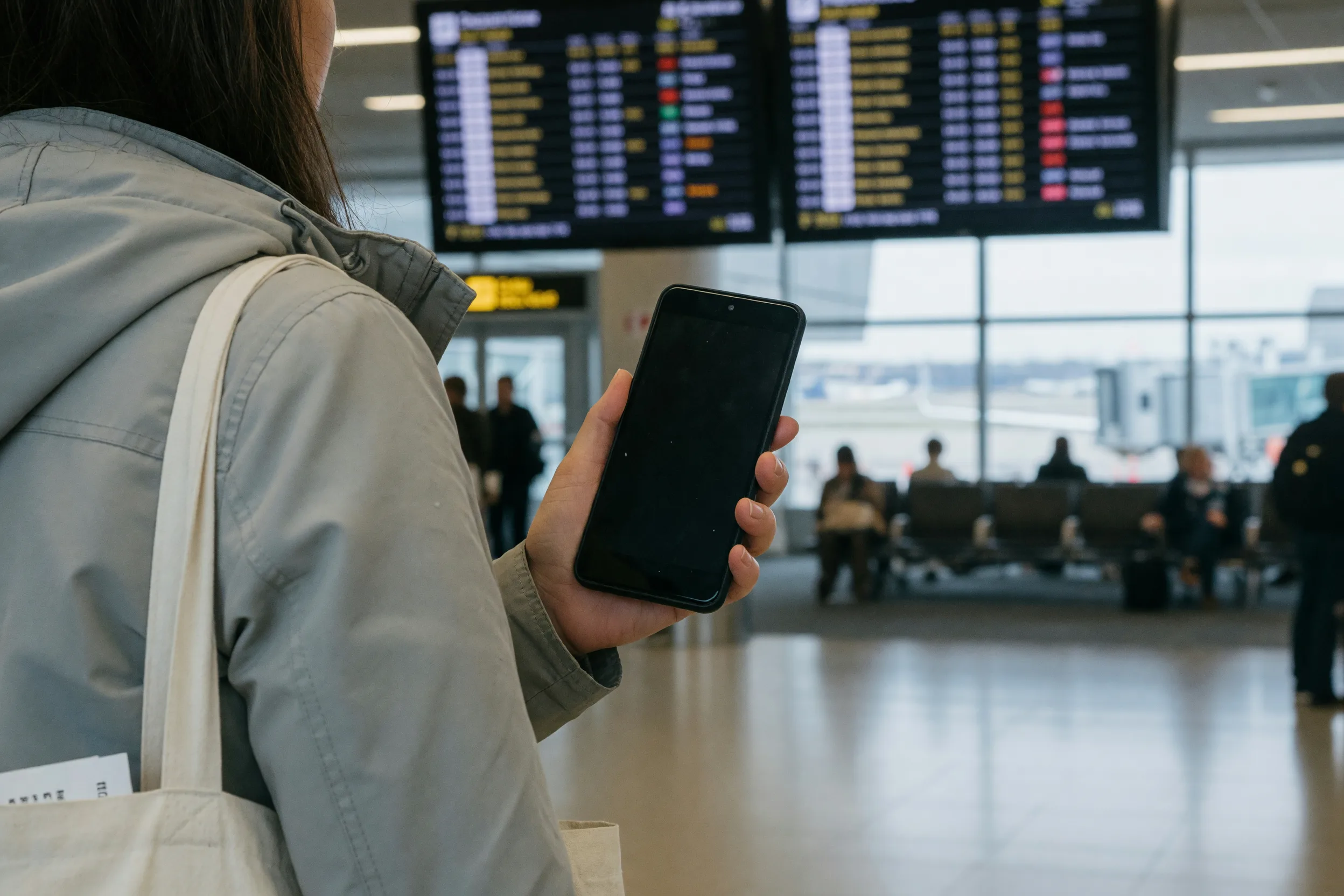
Where Is the iPhone 18 Pro Actually eSIM-Only?
Apple’s own announcement names exactly 12 markets where the iPhone 18 Pro and iPhone 18 Pro Max have no physical SIM tray at all: Bahrain, Canada, Guam, Japan, Kuwait, Mexico, Oman, Qatar, Saudi Arabia, the United Arab Emirates, the United States, and the U.S. Virgin Islands. Every other market, including the U.K., the rest of Europe, Australia, Singapore, and South Korea, gets a model with both a nano-SIM tray and eSIM support.
| Market | eSIM-only? | Physical SIM tray? |
|---|---|---|
| United States, USVI | Yes | No |
| Canada | Yes | No |
| Mexico | Yes | No |
| Japan | Yes | No |
| Guam | Yes | No |
| UAE, Saudi Arabia, Qatar, Bahrain, Kuwait, Oman | Yes | No |
| U.K., rest of Europe, Australia, Singapore, South Korea | No | Yes (plus eSIM) |
| China mainland | No | Yes (plus eSIM, see below) |
This is not a new restriction. It is the same 12-market list Apple used for the iPhone 17 Pro a year earlier, so if you already own a recent Pro-line iPhone, nothing about your phone’s SIM setup changes with this launch.
It’s About Where You Bought the Phone, Not Where You’re Traveling
The detail that actually matters for a travel eSIM buyer is easy to miss: eSIM-only status is set by where the specific unit was purchased, not by where you use it. Apple’s own SIM support documentation is explicit that a device bought in the United States is eSIM-only wherever you take it, while a device bought in the U.K. keeps its SIM tray no matter which of the 12 eSIM-only markets you fly into.
In practice that means:
- A U.S.-bought iPhone 18 Pro has no SIM tray in Tokyo, London, or anywhere else. It only ever runs eSIMs.
- A U.K.-bought iPhone 18 Pro keeps its SIM tray even if you fly to Dubai or Toronto, and can use a physical SIM alongside an eSIM there.
- Buying a phone abroad specifically to get (or avoid) an eSIM-only unit is a real, if niche, strategy some travelers already use with older iPhone generations.
If you’re shopping for a new phone before a trip, check where the unit itself is sold, not your destination country.
The Real News: iPhone Duo Drops the SIM Tray Everywhere
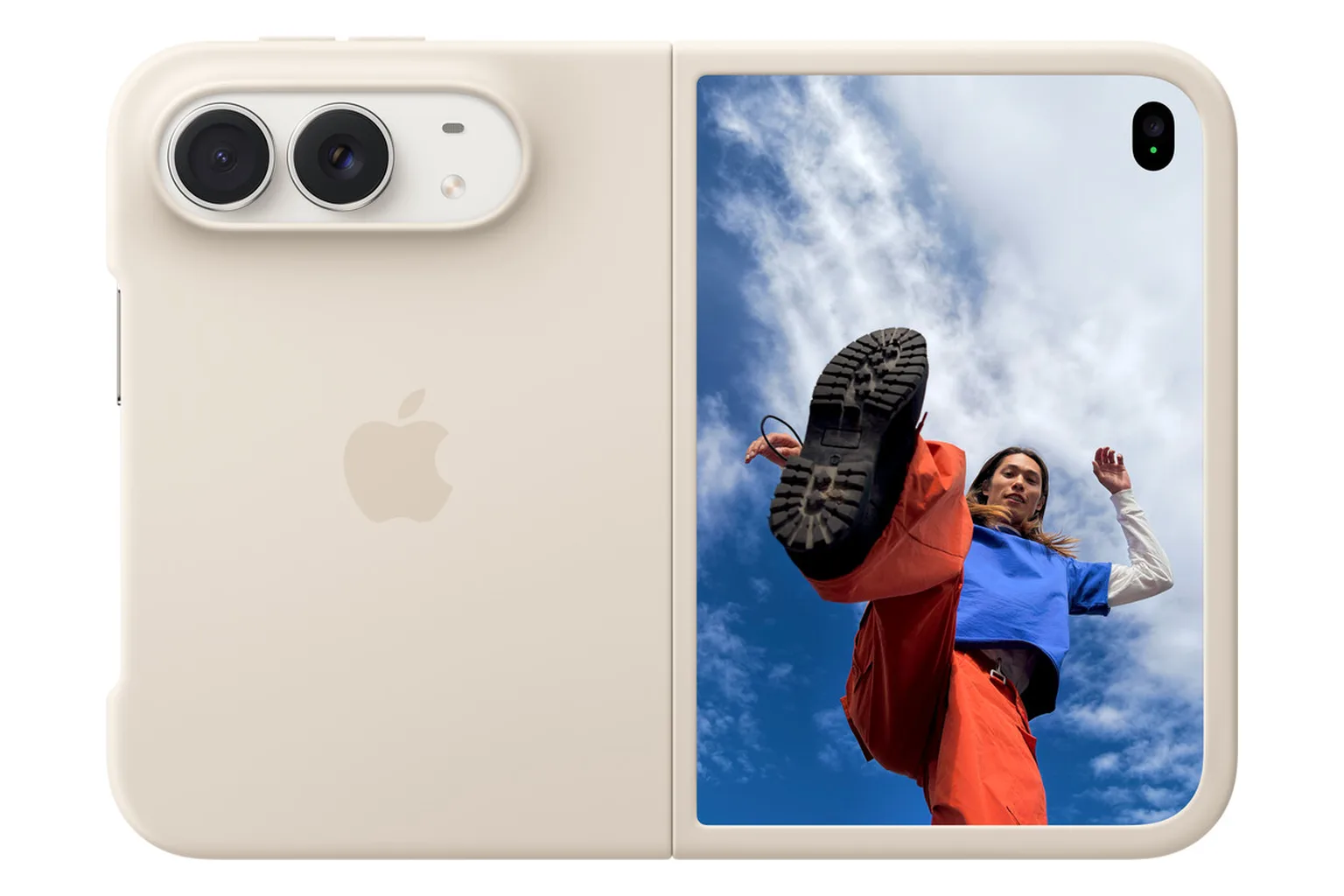
The genuinely new hardware decision at this event belongs to Apple’s first foldable, the iPhone Duo, priced from $1,999 and shipping October 23, 2026. Apple’s own announcement states the iPhone Duo has “an eSIM-only design worldwide,” with no physical SIM tray in any market, including the U.K., the rest of Europe, and even China mainland. That is a first for Apple: every iPhone before it, including the 12-market Pro line above, has kept a SIM tray somewhere in the world.
If you’re planning to travel with an iPhone Duo, you will need a travel eSIM regardless of which country you bought the phone in. There is no fallback to a physical SIM anywhere, at home or abroad.
China Mainland Is the Exception, Not the Confirmation
China mainland is worth calling out on its own because it runs opposite to the pattern many travelers assume. Apple’s support documentation for China mainland states plainly that the iPhone 18 Pro, iPhone 18 Pro Max, and iPhone 17e “activate by either an eSIM or a physical nano-SIM card” there, supporting two nano-SIMs, one nano-SIM plus one eSIM, or two eSIMs. Only the iPhone Duo and the slimline iPhone Air are eSIM-only in China mainland.
So the Pro-line phones that are eSIM-only in the U.S., Canada, and Japan are not eSIM-only in China. The eSIM-only club in China mainland is a different, smaller group than the eSIM-only club everywhere else.
How Many eSIMs Can an iPhone 18 Pro Actually Run at Once?
This part has not changed and is a common point of confusion. Apple’s tech specs for the iPhone 18 Pro and Pro Max list dual eSIM support: two eSIMs active at the same time, with storage for eight or more eSIM profiles on the device. That is the same capacity as the iPhone 17 generation. Nothing about this launch increases or decreases how many travel eSIMs you can juggle.
The one hardware change under the hood is a new Apple-designed C2 cellular modem in the Pro line, replacing the Qualcomm modem used previously. Multiple outlets that tested it report lower power draw and better connection handling in weak-signal conditions, which is a genuine travel benefit, but it does not change the eSIM slot count or how you install a plan.
What’s New in iOS 27 for Travelers, and What Isn’t
The iPhone 18 Pro ships with iOS 27, which carries over the travel eSIM automation Apple introduced in iOS 26: your phone can prompt you to activate a travel eSIM as you approach departure, switch to it automatically once you land in a different country, and switch back when you return home, while keeping iMessage and FaceTime on your home number throughout. None of that setup logic changed with this release.
The one new eSIM-adjacent feature in iOS 27 is “iPhone Handoff,” which lets a single phone number move between two physical iPhones over a supported carrier connection. At launch it only works with T-Mobile in the U.S. and Deutsche Telekom in Germany, so it is not something most international travelers can use yet, and it solves a different problem (switching phones) than a travel eSIM (adding a second data line while you’re away).
Buying an eSIM-Only iPhone 18 Pro for an Upcoming Trip
If your next iPhone happens to be eSIM-only and you’re heading to one of the countries where we sell travel data plans, the catalog currently looks like this for a few of the busiest ones on Apple’s own list:
| Destination | Plans available | Price range |
|---|---|---|
| United States | 32 | From $4.99 |
| Canada | 1 | $41.99 |
| Japan | 26 | From $5.49 |
| Mexico | 10 | From $5.49 |
| UAE | 23 | From $4.49 |
| Saudi Arabia | 24 | From $4.49 |
Canada’s catalog is thin on our site right now with a single listing at $41.99; if you’re flying into Canada specifically, it’s worth checking the Canada eSIM category directly for the current lineup rather than assuming pricing from other markets. For the UAE, we cover the destination in more depth, including local roaming context and connectivity notes, in Dubai / UAE Travel eSIM 2026.
None of this changes because your phone is eSIM-only. An eSIM-only iPhone simply means you were always going to use an eSIM for data anyway; it removes the physical-SIM fallback, it doesn’t change which travel eSIM plans exist or what they cost.
Setting Up a Travel eSIM on Your iPhone 18 Pro
The setup process on an iPhone 18 Pro is the same one Apple has used for several generations, whether your unit is eSIM-only or not:
- Buy a travel eSIM for your destination and receive the QR code or activation link by email.
- Go to Settings → Cellular → Add eSIM and scan the QR code, or follow the carrier’s activation link on the phone itself.
- Choose whether the new eSIM should be your default line for data while it’s active.
- Turn on data roaming for that eSIM if the plan requires it, per the instructions on the product page.
- Decide whether to keep both eSIMs active (home number for calls/texts, travel eSIM for data) or switch fully to the travel line.
We cover this process step by step, including how to keep your home number reachable, in Using a Travel eSIM on iPhone. If you’re planning to install your travel eSIM before you leave home, also check When Does a Travel eSIM’s Clock Actually Start?; some plans start their validity window the moment you install them rather than when you land, and that rule has nothing to do with which iPhone you own.
FAQ
Did Apple add any new countries to the iPhone 18 Pro eSIM-only list?
No. The 12 markets Apple lists as eSIM-only for the iPhone 18 Pro and iPhone 18 Pro Max, Bahrain, Canada, Guam, Japan, Kuwait, Mexico, Oman, Qatar, Saudi Arabia, the UAE, the U.S., and the U.S. Virgin Islands, are exactly the same markets used for the iPhone 17 Pro. If you already travel with a recent Pro-line iPhone, this launch doesn’t change anything about your SIM setup.
Is my iPhone 18 Pro eSIM-only wherever I travel, or only in certain countries?
It depends on where the phone was purchased, not where you’re using it. A unit bought in one of the 12 eSIM-only markets has no physical SIM tray anywhere in the world. A unit bought outside those markets, in the U.K. or the rest of Europe for example, keeps its SIM tray even when you travel into an eSIM-only market like the UAE or Japan.
Is the iPhone Duo eSIM-only everywhere, including China?
Yes. Apple states the iPhone Duo has an eSIM-only design worldwide, and that includes China mainland, where the iPhone 18 Pro and Pro Max still keep a physical SIM tray. The Duo and the slimline iPhone Air are the only iPhone models that are eSIM-only in China.
Can the iPhone 18 Pro run two eSIMs at the same time?
Yes, and this hasn’t changed from the iPhone 17 generation. Apple’s specs list support for two active eSIMs at once and storage for eight or more eSIM profiles, so you can keep your home line and a travel eSIM both active if you want calls and texts to keep working on your usual number.
Does buying an eSIM-only iPhone 18 Pro mean I need a different kind of travel eSIM plan?
No. The plans, pricing, data allowances, and activation rules on our site are identical regardless of whether your phone has a SIM tray. An eSIM-only phone was always going to use an eSIM for data; it simply removes the option to fall back to a physical SIM card if you needed one.
Conclusion
The iPhone 18 Pro headline is mostly a non-event for anyone already carrying a recent iPhone: the eSIM-only market list is unchanged, dual-eSIM capacity is unchanged, and the travel eSIM setup process is unchanged. The real shift is that Apple’s first foldable, the iPhone Duo, is eSIM-only everywhere on Earth, a first for the company. Whichever phone you’re carrying on your next trip, the travel eSIM you need depends on your destination and data habits, not on this announcement.
Before you buy, confirm
- Whether your specific iPhone unit was purchased in one of the 12 eSIM-only markets, since that determines your SIM tray, not your travel destination;
- That you’re buying a travel eSIM sized for your actual trip, not assuming last year’s plan lineup still matches current pricing;
- The activation rule printed on the product page if you plan to install the eSIM before you fly;
- Whether you want your home number to stay reachable for calls and texts via a second active eSIM;
- The live price and data allowance for your destination on the product page, since catalog details change.
Soft next step
Browse the full eSIM catalog for your destination, or start with a specific market from Apple’s eSIM-only list like the United States or Japan category. Confirm price, data, and activation on the live product page before you buy, since plan details change and that listing is the source of truth.