
Standard advice for any travel eSIM is to install it on Wi-Fi before you fly, so you land already connected. That advice is correct for most plans and wrong for some of them, and the difference is not something you can guess by looking at the country you are visiting.
We pulled the activation rule off all 1,589 published plans in our own catalog to see how the two answers actually split. Most plans wait for you to land. A specific, countable minority do not, and installing early on those is the one mistake that quietly eats into the days you paid for. Plan details change, so treat the live listing on each product page as the source of truth before you buy.

The four rules that decide when your plan starts
Every eSIM plan we sell carries one of four activation triggers, printed in plain language on its product page:
| Trigger | What starts the clock | Installing early is safe? |
|---|---|---|
| First data usage | The first time your phone actually sends or receives data on the plan | Yes |
| Connecting to network | The moment your phone registers on the destination network | Yes |
| eSIM installation | The moment you add the profile in your phone’s settings | No |
| Purchase | The moment your order completes, whether or not you ever install it | No |
The first two only start once you have physically arrived and your phone has touched the local network. The last two start earlier than that, which matters if you follow the usual advice to set the eSIM up before you leave home.
How common is each rule, across all 1,589 plans?
We are not describing a fringe case. Here is the full sitewide split:
| Activation trigger | Plans | Share |
|---|---|---|
| First data usage | 1,383 | 87.0% |
| Connecting to network | 106 | 6.7% |
| eSIM installation | 42 | 2.6% |
| Purchase | 58 | 3.6% |
Combine the columns and 93.7% of our catalog is safe to install ahead of time; 6.3%, or roughly 1 plan in 16, starts counting before you land. That is not a rare edge case you will never hit. It is close to the odds of picking the wrong seat on a 16-row plane.
Is the rule set by the country, or by the supplier?
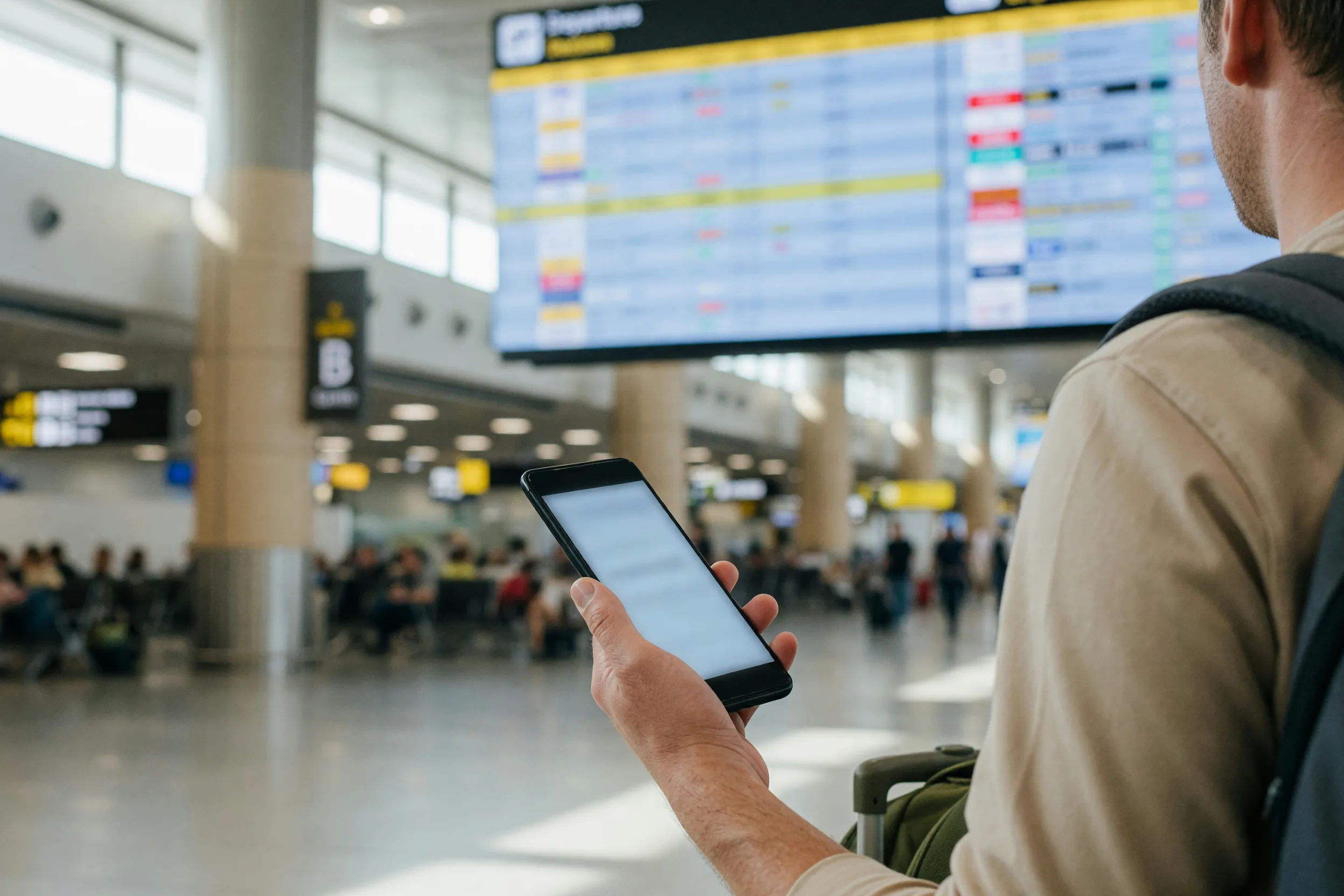
It is set by the supplier, and that is worth knowing because it explains why you cannot assume the rule from the destination alone. Cross-referencing activation policy against the supplier behind each plan, the pattern is almost mechanical: Sparks (509 plans), Airalo (254), eSIMGo (275), NextLink (177) and Ubigi (99) each use exactly one trigger across every plan they supply, all of them first-data-usage. TSimTech’s 94 plans are all connect-triggered instead. A given supplier picks a rule and applies it everywhere they sell.
The practical effect is that two plans for the same country, sourced from different suppliers, can carry different rules. Six of our most-visited single-country destinations show exactly that split.
| Destination | Total plans | Safe (first-use / connect) | Starts early (install / purchase) |
|---|---|---|---|
| Japan | 26 | 23 | 3 |
| Thailand | 5 | 4 | 1 |
| South Korea | 9 | 7 | 2 |
| Taiwan | 6 | 4 | 2 |
| Indonesia | 15 | 13 | 2 |
| Israel | 4 | 1 | 3 |
Take Japan, since it is one of our busiest single-country pages. 23 of its 26 plans are safe to install the night before your flight. The other three, the Japan 12 GB / 30-day plan at $18.99, the 35 GB / 60-day plan, and the 60 GB / 90-day plan, activate the instant you add the eSIM profile, whether or not you have data roaming turned on yet. Buy the wrong one of those three and follow the standard “install early” advice, and you have already spent a slice of your validity window before your flight leaves the ground.
Browse the current Japan eSIM plans and check the activation line on each listing before you choose.
Two destinations where every plan starts the moment you buy or install
Out of 79 single-country destinations we sell, 71 have zero exposure to this problem; every plan on offer is first-use or connect-triggered, so installing a week early costs you nothing. Two destinations sit at the opposite extreme, where there is no safe option at all.
Montenegro and Serbia are both entirely served by one supplier whose plans all activate on purchase. Every Montenegro plan we list, all four of them, starts the moment your order completes:
| Plan | Price | Validity | Activation |
|---|---|---|---|
| Montenegro 500 GB, 500 Minutes | $29.99 | 10 days | On purchase |
| Montenegro 500 GB | $29.99 | 15 days | On purchase |
| Montenegro 1 TB | $35.99 | 30 days | On purchase |
| Montenegro Unlimited | $51.99 | 45 days | On purchase |
Buy the 30-day Montenegro 1 TB plan five days before you fly and you do not get a 30-day window that begins on arrival. You get 25 days of usable validity, because five of them already elapsed while the eSIM sat unused in your account.
What installing early actually costs, in days
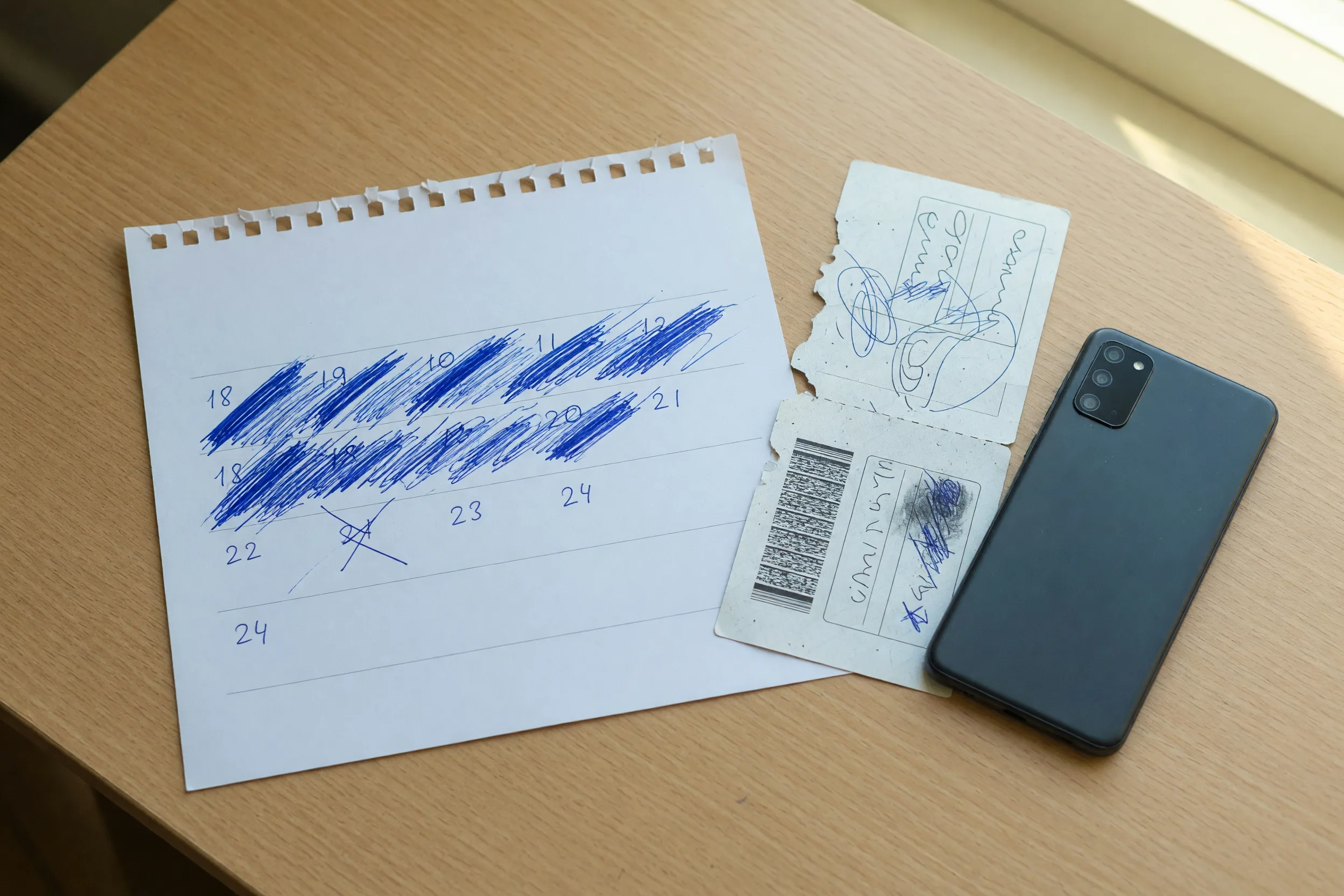
The math is the same wherever a plan is purchase- or installation-triggered: every day between the trigger event and your actual arrival is a day of validity you paid for and cannot use.
| Days installed or bought before arrival | Days lost on a 30-day plan | Days lost on a 10-day plan |
|---|---|---|
| 1 day | 1 (3%) | 1 (10%) |
| 3 days | 3 (10%) | 3 (30%) |
| 7 days | 7 (23%) | 7 (70%) |
Our own installation guide tells buyers to install on Wi-Fi before they travel, and that is still correct for 93.7% of what we sell. It only works against you on the purchase- and installation-triggered minority, which is exactly why the same guide also says to read the activation line on the product page before you check out, rather than assuming.
Do multi-country regional plans follow the same odds?
Not quite; they lean slightly riskier. Regional plans, the ones covering a group of countries on one eSIM, split 233 first-use, 37 connect-triggered, 29 installation-triggered and 3 purchase-triggered across 302 listings. That puts 10.6% of regional plans in the “starts early” category, against 6.3% for the catalog as a whole.
The gap is small but predictable given what drives it: regional coverage is a supplier decision, and the suppliers most likely to bundle many countries into one SKU are not evenly the same ones defaulting to first-data-usage. If you are buying a regional plan for a multi-stop trip, checking the activation line matters at least as much as it does for a single country, arguably more, since a regional plan is more likely to be installed days ahead of a complex itinerary.
Why a top-up doesn’t follow the same clock
Adding data to an eSIM that is already installed and active is a different situation from buying a first plan, because the underlying profile’s clock, whatever started it, is typically already running by the time you top up. We cover that separately in Can You Top Up a Travel eSIM? We Checked 1,589 Plans, 19% Cannot, including which destinations do not support top-ups at all. This article is about the first purchase, not additions to a plan already in use.
How to check before you buy
Every product page on our site prints the exact activation sentence for that plan, in the Plan details panel, in the same four phrasings used throughout this article: activates on first data usage, on connecting to network, on eSIM installation, or on purchase. That line is generated from the same field we queried for every number above, so what you see on the page is what we counted. If you plan to install several days ahead of departure, that one line is worth reading before you pay, regardless of which country you are buying for.
FAQ
Some travel eSIM listings elsewhere describe their own activation timing inconsistently on the same page, which is part of why we built this from a single field we can query directly rather than summarizing marketing copy. If a listing does not state its trigger in plain language, that is itself worth treating as a yellow flag.
Before you buy, confirm
- The exact activation trigger printed in the Plan details panel on the product page you are buying;
- Whether that trigger is first data usage or connecting to network (safe to install early) versus installation or purchase (starts on the spot);
- How many days before departure you actually plan to install or buy, if the trigger is not safe;
- That a regional or multi-country plan follows the same check, since those run slightly riskier odds than single-country plans;
- The live validity days and price on the product page, since catalog details change.
Soft next step
Check the activation line before you install anything ahead of a trip. Browse the full eSIM catalog or a specific destination like the Japan category, and confirm activation, validity and price on the live product page, since plan details change and that listing is the source of truth before you buy.
For the install steps themselves, see How to Install a Travel eSIM Before Your Flight. If you are deciding how much data to size for your trip, How Much Data Do You Need for Your Trip? works through it by habit and length, and Which Country’s IP Will Your Travel eSIM Show? covers another catalog-wide field worth checking before you buy. Full delivery and activation timing is also summarized on our delivery and activation page.
Does installing my eSIM early always start the validity clock?
No. For 93.7% of the plans we sell, the clock only starts once you actually use data or your phone connects to the destination network, so installing days ahead of a flight costs you nothing. It only starts early on the 6.3% of plans that activate on installation or on purchase, which is why checking the activation line on the specific plan matters more than following a blanket rule.
How do I know which rule applies to the plan I’m buying?
Check the Plan details panel on the product page. Every listing states its activation trigger in one of four exact phrasings: first data usage, connecting to network, eSIM installation, or purchase. The first two are safe to install ahead of time; the last two are not.
Can two plans for the same country have different activation rules?
Yes, and it happens more often on popular destinations than you might expect. Japan, Thailand, South Korea, Taiwan, Indonesia and Israel all have a mix of safe and early-starting plans on the same category page, because the rule tracks the supplier behind each specific plan, not the country itself.
Is there a destination where every plan is risky to install early?
Yes, two: Montenegro and Serbia. Every plan we sell for either country activates on purchase, so the validity window starts the moment you pay, whatever your travel dates are. For those two destinations specifically, buy as close to departure as you comfortably can.
If I install early on a “safe” plan, does anything happen before I arrive?
The eSIM profile sits on your phone but stays inactive. No days count against your validity, and typically no data charges apply, until you either connect to the destination network or send your first byte of data on that line, depending on which of the two safe triggers the plan uses.