

Key takeaways
- We checked every plan in our own catalogue: 62.5% of the plans that declare a breakout country route through the United Kingdom — no matter which country you are travelling in.
- Of the single-country plans, 87% give you a foreign IP address. A local one is the exception, not the rule.
- The breakout country follows the wholesale carrier, not your destination. One supplier in our catalogue routes all 509 of its plans through the UK.
- It is invisible for maps, chat and browsing. It bites in a short, predictable list of places: local banking apps, government portals, and services that only work inside the country.
- About 1 in 4 plans publishes no breakout country at all. We label those unknown rather than guessing.
Buy a travel eSIM for Japan, land in Tokyo, open a website — and the site thinks you are in London. This surprises people, and almost nothing online explains why, because the answer sits in wholesale data that retailers rarely publish.
We can publish it, because it is our own catalogue. This article is a count of 1,589 live plans across 198 destinations, grouped by the breakout country each supplier declares. Every number below can be checked against the plan pages on this site.
What a “breakout country” actually is
Your eSIM connects to a local mobile network at your destination — that part is genuinely local, and it is why you get local speeds. But the data does not exit onto the public internet there. It is tunnelled back to the carrier’s own gateway and exits from that country instead. That exit point is the breakout, and it is the IP address the rest of the internet sees.
So two things are true at once: you are on a Japanese network in Japan, and you look like you are in the UK. Both are normal.
Where travel eSIMs actually break out
Of 1,589 published plans, 1,220 declare a breakout country. Here is the whole distribution:
| Breakout country | Plans | Share |
|---|---|---|
| United Kingdom | 762 | 62.5% |
| Hong Kong | 125 | 10.2% |
| Singapore | 105 | 8.6% |
| Western Europe (country not named) | 98 | 8.0% |
| United States | 48 | 3.9% |
| Belgium | 33 | 2.7% |
| Macau | 11 | 0.9% |
| Japan | 7 | 0.6% |
| Montenegro | 7 | 0.6% |
| Everything else (8 countries) | 24 | 2.0% |
Five countries account for more than 93% of everything. The United Kingdom alone accounts for nearly two thirds — a country most of these travellers are not visiting.
Why the UK, of all places
Because breakout is a property of the wholesale carrier, not of your trip. A carrier builds one gateway, then sells access to that same gateway for every destination it covers. Sort our catalogue by supplier and the pattern is unmistakable:
| Supplier | Plans with a declared breakout | Breaks out in |
|---|---|---|
| Sparks | 509 | United Kingdom — all 509 |
| eSIMGo | 275 | United Kingdom (253), Belgium (22) |
| NextLink | 167 | Western Europe (98), United States (44), Singapore (25) |
| TSimTech | 90 | Singapore (58), Hong Kong (21), Macau (11) |
| 3 | 80 | Hong Kong — all 80 |
| IIJ | 7 | Japan — all 7 |
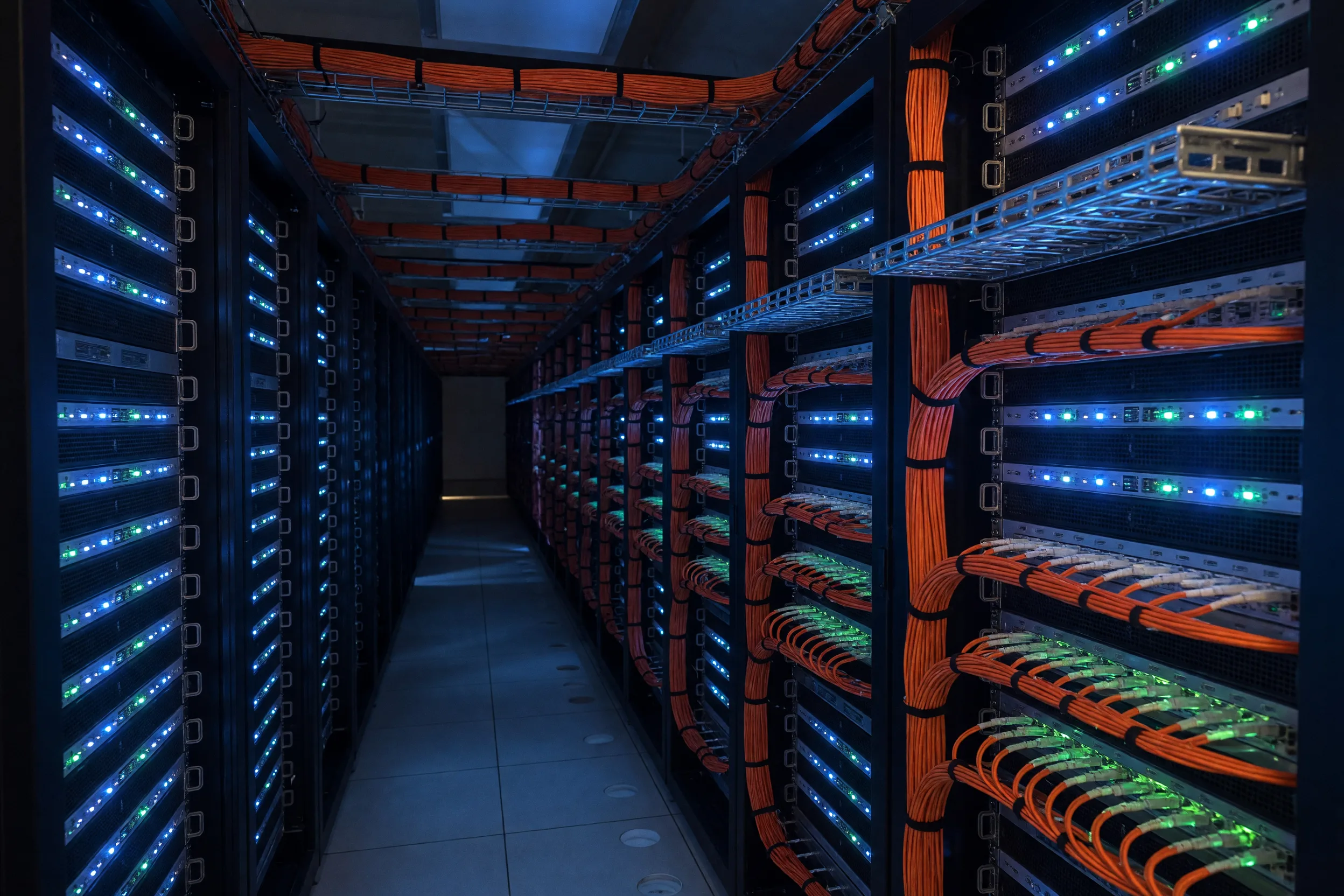
One supplier routes every single one of its 509 plans through the UK, covering destinations from Peru to Vietnam. That is not a quirk of one product — it is 32% of our entire catalogue behaving as one.
Which destinations can give you a local IP
Counting only plans sold for one specific country: 56 give you that country’s own IP, 361 give you a foreign one. Local is available in twelve destinations, and it is always tied to a specific national carrier:
| Destination | Local-IP plans | Carrier behind them |
|---|---|---|
| Hong Kong | 9 | RoamVault, TSimTech |
| Singapore | 8 | NextLink, RoamVault |
| Japan | 7 | IIJ |
| United Kingdom | 7 | eSIMGo |
| Malaysia | 4 | U Mobile |
| United States | 4 | RoamVault |
| Brazil | 4 | RoamVault |
| Vietnam | 4 | Vinaphone |
| Montenegro | 4 | Mtel |
| Israel | 3 | Annatel |
| Thailand | 1 | True |
| Serbia | 1 | mts |
Notice which large destinations are absent. There is no plan in our catalogue that gives you a South Korean, Emirati, Saudi, Turkish, Indian, Australian, Mexican or Taiwanese IP address.
The eight destinations we compare most
| Travelling to | You will look like you are in |
|---|---|
| Japan | Singapore (7), Japan (7), Hong Kong (4) |
| South Korea | Hong Kong (6), Singapore (3) |
| Hong Kong | Hong Kong (9 of 9) |
| China | Hong Kong (9), Singapore (4) |
| United States | United Kingdom (8), United States (4) |
| United Kingdom | United Kingdom (7 of 7) |
| Saudi Arabia | United Kingdom (13), Western Europe (6), Belgium (5) |
| United Arab Emirates | United Kingdom (14), Western Europe (6) |
Japan is the interesting one: it is the only major destination where you get a real choice. Seven plans give you a Japanese IP and eleven do not, at similar prices — so it is worth checking the plan page before you buy rather than after.
When this actually matters
For most of a trip, it does not. Maps, messaging, email, social apps, video calls and general browsing do not care where your traffic exits. Speed is set by the local network you are attached to, not by the breakout.
It shows up in a short and fairly predictable list:
- Banking and payment apps. The most common real complaint. Some banks treat a sudden foreign IP as a risk signal and add verification steps — or block the session.
- Government and identity portals. Tax filing, visa status, national ID services are frequently restricted to in-country addresses.
- Services that only exist inside the country. Domestic streaming and local ticketing sites often check the IP, not the SIM.
- Extra captchas. Traffic from a large shared carrier gateway is shared with thousands of other people, so bot-detection sees it more often.
- Search and maps results. Some sites localise by IP and will show you the wrong country’s version.
The other side of it: a foreign breakout is why streaming services from your home country sometimes keep working normally abroad while a local SIM would have cut them off. Whether that matches a given service’s terms is between you and that service — we are describing what happens, not recommending it as a workaround.
Two honest limits on this data. First, the breakout country is what the carrier declares — commercial IP-geolocation databases occasionally disagree, so treat it as the expected result rather than a guarantee. Second, 369 of our 1,589 plans publish no breakout country at all. We mark those unknown; we do not fill the gap with a guess.
How to see your own breakout in ten seconds
You do not have to take anyone’s word for it. Once the eSIM is connected at your destination:
- Turn Wi-Fi off. This is the step people skip. On Wi-Fi you are measuring the hotel, not your eSIM.
- Confirm the travel line is the active data line — on iPhone, Settings → Cellular → Cellular Data; on Android, Settings → Network → SIMs → Mobile data.
- Open a browser and search for what is my IP. Any of the results will show the country your traffic is exiting from.
If the country matches the label on the plan page, everything is behaving as designed. If it does not, it is worth a message to support — occasionally a carrier moves a route and the label lags behind, and we would rather correct the catalogue than leave it wrong.
One thing this test will not tell you is whether a specific app is happy. A bank can see a foreign IP and still allow the session. The only reliable test for a particular app is to open that app.
How to check before you buy
Every plan page on this site shows the declared breakout country in the plan details, next to speed and hotspot rules. If it matters for your trip, read that line before checking out — it is much easier than changing your mind after landing.
Two practical suggestions. If you need a bank or a government site while travelling, deal with it before you leave, or keep your home SIM’s roaming available as a fallback for those specific apps. And if a local IP genuinely matters — you are working in Japan, or need Japanese domestic services — pick from the list above deliberately rather than by price.
FAQ
Does a foreign IP make my eSIM slower?
Not usually in a way you would notice for normal use. Your speed comes from the local network your phone attaches to. A distant breakout adds latency, which matters for gaming or video calls to nearby servers, not for browsing or streaming.
Can I choose the breakout country?
Not directly — it comes with the plan. What you can do is pick a plan whose declared breakout is the one you want. For twelve destinations that includes a local option; for the rest it does not.
Is this specific to cheap eSIMs?
No. It is how travel eSIMs work in general: a wholesale carrier builds one gateway and resells it across many destinations. Retailers differ mainly in whether they tell you about it.
Will my home banking app definitely break?
No — many work fine. It is the single most common friction we see reported, but it depends entirely on your bank’s risk rules. Test it before you fly if it matters.
Why do China plans break out in Hong Kong or Singapore?
Because the wholesale carriers serving mainland China route that way. It is a side effect of the network design, not a product feature, and we do not sell it as one.

See the breakout country before you buy
Every plan page lists it alongside data, validity and hotspot rules. 198 destinations, priced live.
Figures counted from our live catalogue on 7 September 2026: 1,589 published plans, 1,220 with a declared breakout country. Plans and suppliers change; the plan page is always the source of truth.